
Nursing
Pre-Licensure BSN
Build a strong foundation in nursing knowledge, clinical judgment, and compassionate patient care.
Program Overview
Learn to Lead in Care
The Pre-Licensure Bachelor of Science in Nursing program is designed for students preparing for entry into professional nursing practice. Coursework integrates nursing science, communication, ethics, and patient-centered care across diverse health settings.
Nursing foundations
Health assessment
Clinical judgment
Ethical practice


Academic Pathways
Continue Your Nursing Journey
Did you fail your nursing program from another institution? Was it a bachelor’s degree?
We can evaluate your degree and allow you to take a few courses with us to earn your associate degree in the meantime, so you do not get into debt for non-completion of a bachelor’s degree.
Learning Experience
Curriculum and Clinical Learning
Students engage with nursing concepts through classroom learning, skills development, simulation, and supervised clinical experiences. Specific course sequences and clinical placements are confirmed through the current program plan.

Nursing Science
Explore foundational nursing concepts, health assessment, pharmacology, and evidence-informed care.

Simulation Practice
Develop communication, assessment, and decision-making skills through structured practice scenarios.
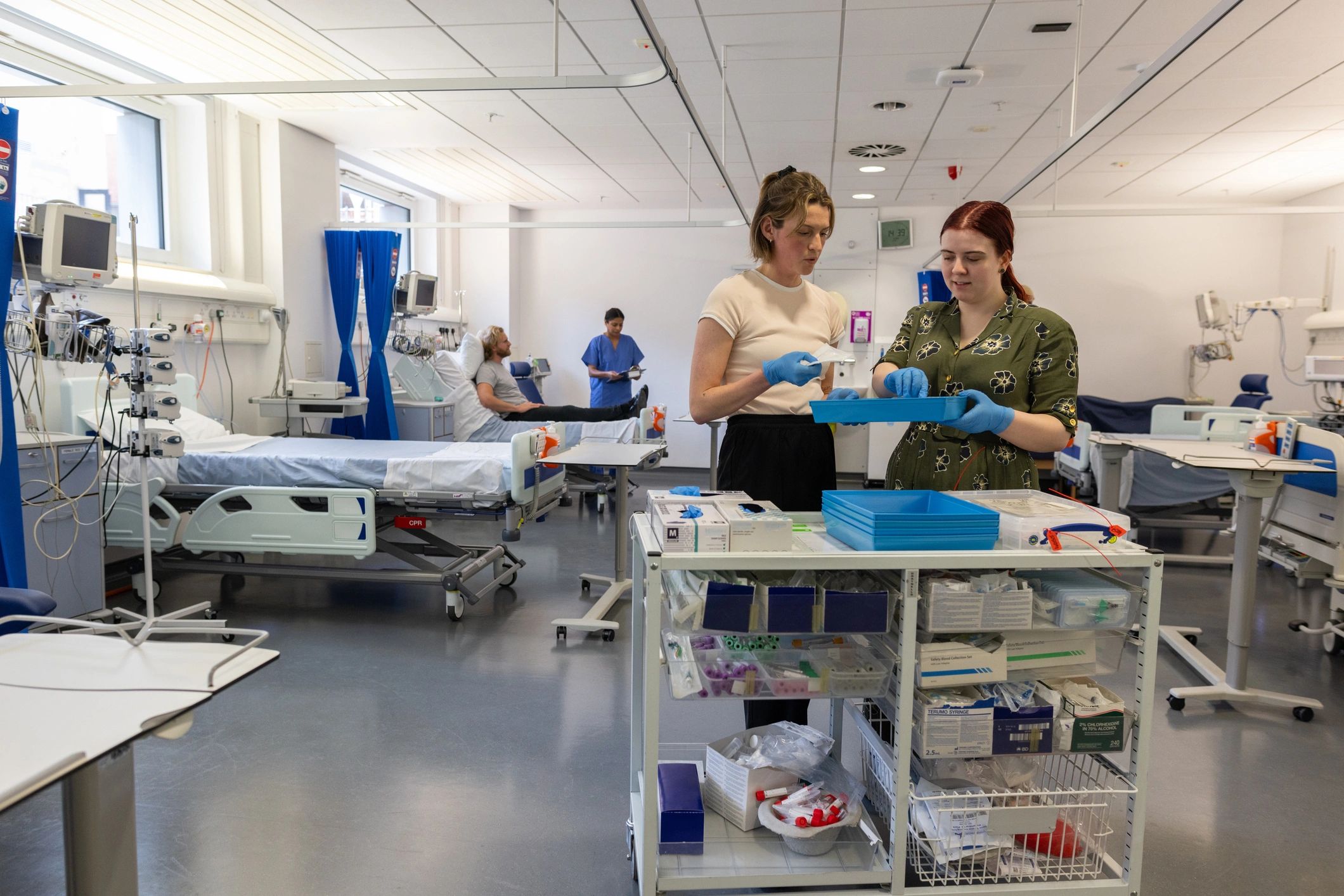
Clinical Learning
Apply learning in supervised clinical settings as arranged by the program.
Degree Plans
Clinical Schedule Options
Review the Pre-Licensure BSN clinical practicum schedules for the available shift models.
Admissions Policy
Transfer Admission and Academic Progress Policy
Transfer students are accepted into the Pre-Licensure BSN program, subject to the requirements and academic standards below.
1. Policy Purpose and Scope
This policy establishes the transfer-admission, academic progression, course-repetition, tuition-notice, and financial-aid expectations for students in the Pre-Licensure BSN program. It applies to all applicants and enrolled students, including students transferring lower-division coursework from other institutions.
2. Regulatory Alignment and Compliance
The program administers admission, progression, clinical, and academic requirements in alignment with applicable institutional policies, Texas Board of Nursing requirements, accreditor expectations, and federal and state regulations. Students remain responsible for meeting all current requirements for enrollment, clinical participation, and licensure eligibility.
3. Unrestricted Lower-Division Transfer Admission Criteria
Transfer applicants may be admitted with eligible lower-division coursework. Official transcripts are evaluated for course equivalency, credit applicability, and satisfaction of program prerequisites. Acceptance of transfer credit does not guarantee placement in a particular nursing course sequence, clinical cohort, or semester; progression remains dependent on completed prerequisites, available capacity, and all program requirements.
4. Academic Progression and Course Repetition
Students must successfully complete required coursework and meet progression standards before advancing to subsequent nursing courses and clinical experiences. A required nursing course may be repeated only once. A second unsuccessful attempt in the same required nursing course, including withdrawal or failure as defined by the program, results in dismissal from the Pre-Licensure BSN program. Repeating a course may change the student’s sequence, clinical placement timing, and total program cost. Tuition and fees are charged at the rates in effect when the repeated course is taken; students are responsible for reviewing current tuition notices before registration.
5. Federal and State Financial Aid Considerations
Financial-aid eligibility is determined under applicable federal and state rules and institutional policy. Repeated coursework, withdrawals, and changes in enrollment may affect eligibility and satisfactory academic progress (SAP). Students must complete the program within the maximum timeframe of 150% of the published program length for SAP purposes. Students should consult Financial Aid before repeating coursework or changing enrollment to understand the potential effect on aid eligibility, attempted and completed credits, and remaining eligibility.
Degree Plans
Choose Your Clinical Schedule
The Pre-Licensure BSN includes 840 practicum hours across Semesters 4–8, combining direct patient care, simulation practice, and preceptor-led immersion. Review the schedule option that fits your clinical learning plan.
8-Hour Clinical Option
Download the 8-hour clinical practicum schedule. It outlines 840 hours across Semesters 4–8, including simulation, medical-surgical, behavioral health, maternal-newborn, critical care, community health, and capstone immersion. Clinical attendance and required clearance, screening, CPR/BLS, immunization, EHR training, and badging requirements apply.
12-Hour Clinical Option
A 12-hour clinical schedule option is available as a separate degree plan. Contact the School of Nursing for current course sequencing, clinical placement details, and compliance requirements.
Clinical Compliance
Before Semester 4 clinical rotations, students must maintain required background clearance, drug screening, CPR/BLS certification, immunization records, EHR training, and facility badging.
Plan With Advising
Discuss your clinical schedule option, course sequencing, and readiness requirements with an academic advisor.
Admissions
Preparing to Apply
Applicants should review the university admissions process and consult the current program materials for nursing-specific eligibility, documentation, and readiness expectations.
Start an application
Submit your application through the university’s admissions process.
Review requirements
Confirm current academic, health, background, and other program requirements directly with admissions before enrolling.
Plan your pathway
Discuss transfer credit, course sequencing, and student support resources with an advisor.
Stay informed
Review official university communications for current policies, deadlines, and program updates.
Transfer Admission and Academic Progress Policy: Nursing Program
Transfer students are accepted.
Policy Purpose and Scope
This policy establishes transfer admission and academic progress requirements for students seeking entry to the Pre-Licensure Bachelor of Science in Nursing (BSN) program. It applies to all applicants and enrolled students in the Nursing Program.
Regulatory Alignment and Compliance
The Nursing Program operates in alignment with applicable Texas Board of Nursing requirements and Texas regulatory standards governing pre-licensure nursing education. Students must meet all institutional, clinical, and regulatory requirements for continued enrollment and progression.
Transfer Admission Criteria (Unrestricted Lower-Division Entry)
Transfer students are accepted for unrestricted lower-division entry, subject to institutional admission requirements and evaluation of applicable general education and prerequisite coursework. Prior nursing credits do not transfer into the Pre-Licensure BSN Nursing Program. Students admitted as transfers must complete the nursing curriculum and clinical requirements established by the University of Justice School of Nursing.
Academic Progression and Course Repetition
We support students in working toward successful completion of their nursing coursework. Students may repeat nursing courses more than three times, as needed, to achieve a passing grade. To progress to later nursing courses and clinical experiences, students must first successfully complete all required prerequisites. Any nursing coursework failed at another institution must be retaken at the University of Justice, beginning with the applicable starting course in the program sequence.
Federal and State Financial Aid Considerations
Students must maintain Satisfactory Academic Progress (SAP) to remain eligible for federal and state financial aid. Repeated coursework and transfer credits may affect SAP calculations and financial aid eligibility. Financial aid eligibility is also subject to the 150% maximum timeframe for completion of the program, as measured in attempted credit hours.