
Academic Catalog
Clinical Laboratory Department
Bachelor of Science pathways for laboratory science, diagnostics, and hospital operations.
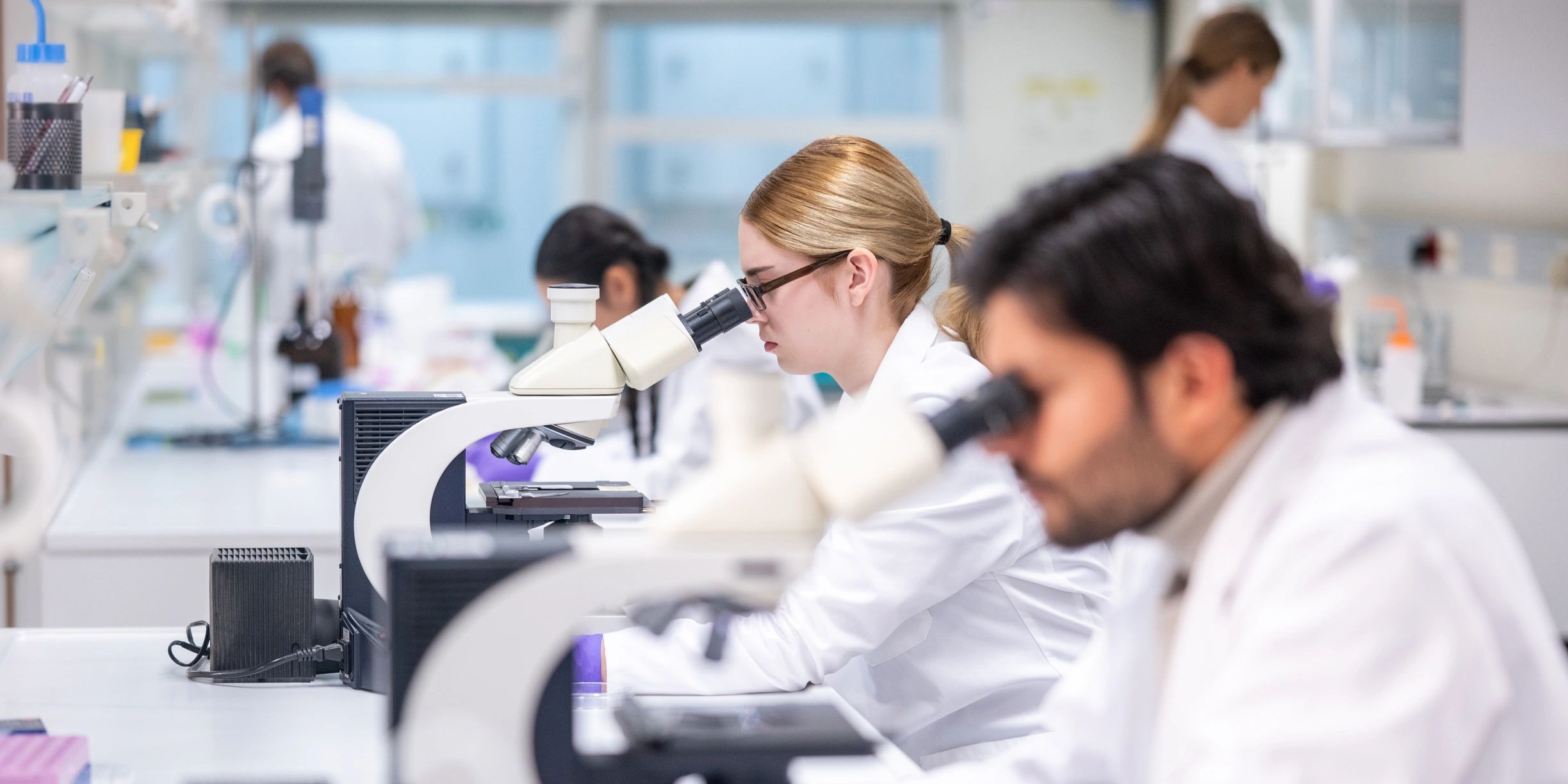
Laboratory Education
The Clinical Laboratory Department organizes Bachelor of Science study across foundational services, diagnostic subspecialties, specialized disciplines, and core hospital operations.
Programs are presented as an academic catalog to help students identify areas of laboratory practice and plan their next steps.
Division 1
Foundational, Surgical, and Clinical Services
Bachelor of Science program areas supporting essential laboratory workflows, surgical support, and clinical diagnostic services.
Foundational Laboratory Services
Study the essential laboratory practices that support specimen handling, testing workflows, documentation, and quality-focused service delivery.
Surgical Laboratory Services
Explore laboratory support for surgical settings, including specimen pathways, intraoperative coordination, and diagnostic preparation.
Clinical Laboratory Services
Build a broad understanding of clinical testing services that inform patient care across hospital and outpatient environments.
Laboratory Science Foundations
Develop core scientific knowledge in laboratory methods, safety, instrumentation, and professional practice.
Division 2
Organ-System Diagnostics
Bachelor of Science program areas focused on laboratory diagnostics for organ systems and related clinical interpretation.
Cardiovascular Laboratory Diagnostics
Examine laboratory approaches that support cardiovascular assessment through specimen analysis, testing methods, and diagnostic data.
Respiratory Laboratory Diagnostics
Study laboratory testing concepts used to support respiratory health assessment and clinical decision-making.
Renal and Urinary Diagnostics
Explore diagnostic laboratory methods related to kidney function, urinary testing, and fluid balance.
Gastrointestinal and Hepatic Diagnostics
Learn laboratory approaches that support assessment of digestive and liver-related conditions.
Division 3
Specialized Laboratory Disciplines
Bachelor of Science program areas for specialized testing and organ-specific laboratory practice.
Hematology and Coagulation
Study blood-cell analysis, coagulation testing, and laboratory methods that support hematologic evaluation.
Clinical Microbiology
Explore microbial identification, infection-related testing, and laboratory practices for clinical microbiology.
Immunology and Serology
Examine immune-system testing, serologic methods, and diagnostic applications of laboratory immunology.
Molecular and Genetic Diagnostics
Learn foundational molecular testing concepts and genetic diagnostic methods used in modern laboratory settings.
Division 4
Hospital and Regulatory Operations
Bachelor of Science program areas focused on the systems, standards, and operations that sustain hospital laboratory services.
Core Hospital Laboratory Operations
Study the operational structures that support hospital laboratory services, including workflow coordination and service continuity.
Laboratory Quality Management
Explore quality systems, documentation practices, performance improvement, and risk-aware laboratory operations.
Laboratory Regulatory Affairs
Examine the regulatory environment, policy considerations, and compliance-focused practices relevant to laboratory services.
Laboratory Information Systems
Learn how laboratory information systems support data management, reporting, workflow, and clinical communication.